
Acting School in Lagos
Acting for film, theatre and television.
Take a practical pathway into acting. Learn voice, movement, script analysis, improvisation, on-camera performance, audition skills and presentation with guided scene work.
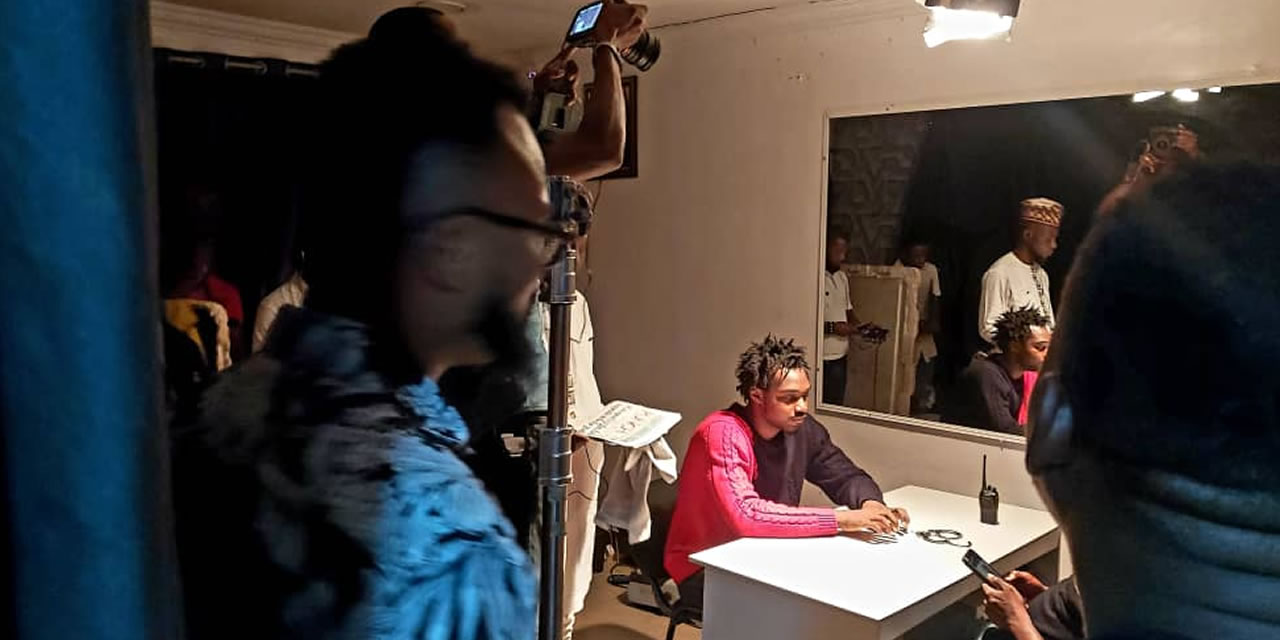
Practical acting training
Film acting, theatre technique, voice, diction, movement, auditions, camera work and scene performance.
Pathway to Becoming the Rave
Find your voice, your body and your truth as an actor.
Praxis Academy is committed to training actors in the 21st century so they can portray important stories that relate to the reality of the world with clarity, passion, inspiration and craftsmanship.
While studying plays that range from timeless Nollywood classics to exciting new works, both in the classroom and on set, you will develop your ability to bring body, voice and spirit together in ways that are personal and transformative.
Acting involves telling a story through the adoption of a character. Great imagination, clarity of speech, mime, drama interpretation, emulation and stage combat are all part of acting as a craft.
Now more than ever, there are increasing opportunities for actors to build successful careers in Nollywood and the wider screen industry. Getting trained helps groom raw talent, introduces you to acting methods and gives you practical experience for film, theatre and television.
Actors who want to understand the full production environment can also explore our film school in Lagos, where performance connects with directing, camera, sound and editing.
What You Will Learn
Acting skills for screen, stage and auditions.
- Understand acting fundamentals, drama, theatre, character objectives and the acting process.
- Use body, voice and spirit together through speech training, diction, projection and movement.
- Analyse scripts, build character backstories and make stronger performance choices.
- Develop improvisation, stage presence, on-camera confidence, eyelines, continuity and audition skills.
- Perform scenes, monologues and presentations with clarity, confidence, emotional truth and screen awareness.
Full Course Outline
A detailed acting and presentation training path.
From acting fundamentals and speech to script analysis, movement, improvisation, camera work, auditioning and final scene performance.

Acting Fundamentals
Learn what it takes to be on the big screen. This module introduces the basics of acting and gives students a foundation for building a successful acting career through practical skill development. Broader screen-career resources like ScreenSkills help students understand industry roles.
Introduction to Acting
Get introduced to the world of acting and discover your unique natural instincts through a practical introduction to acting concepts and practices.
Elements of Drama and Theatre
Study plays for theatre, radio and television, including theme, language, character, conflict, complication, climax and genres such as tragedy, farce and comedy.
The Acting Process
Learn how to analyse a role, use the script to understand character information, define objectives and understand character relationships.
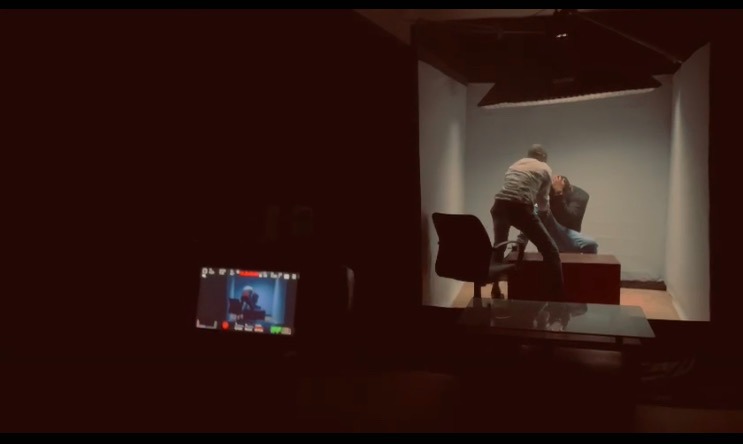
Acting and Speech Training
Study acting theories, improvisation, the actor and environment, and speech as a core part of performance. This module focuses on finding your unique voice and using it clearly on stage and screen.
Introduction to Speech as an Act
Understand speech in theatre, including dialogue, monologue, soliloquy, aside and chorus, and how each form communicates meaning.
Speech Mechanism
Learn breath control, projection, articulation and diaphragmatic breathing for clear, expressive and audible speech.
Organs of Speech and Speech Production
Study the lungs, larynx, pharynx, oral cavity, lips, tongue and teeth, and how actors coordinate them for effective speech.

Script Analysis & Character Development
Script analysis is an essential skill for any actor. Learn to dissect scripts, uncover motivations, understand storytelling dynamics and create characters with depth, authenticity and emotional truth. Students who want to write scenes can also study scriptwriting.
Deconstructing Scripts
Break down plot, themes, character arcs and story information so you know what the scene needs from you.
Character Backstories and Motivations
Develop believable backstories, needs and motivations that help your performance feel grounded.
Character Relationships and Dynamics
Create authentic relationships by understanding power, history, conflict and emotional shifts between characters.
Textual Analysis for Performance
Use script analysis to make stronger choices in voice, movement, timing and emotional response.
Voice & Diction
Your voice is one of your most powerful tools as an actor. Strengthen projection, articulation, dialect awareness and expressive vocal choices for stage, screen and presentation.
Vocal Warm-up Exercises
Use vocal warm-ups and practical drills to prepare the voice for performance.
Breath Control and Projection
Build stronger breath support and project your voice with clarity and control.
Articulation and Enunciation
Practice diction drills that make speech clearer and more professional.
Vocal Qualities and Textures
Explore tone, resonance, pace and texture to support different characters and emotional states.

Body Language & Movement
Acting is not only about words. Learn how to use body language, gestures, posture and movement to convey character traits, emotion and intention.
Physical Awareness and Presence
Develop stronger awareness of your body, space and presence as a performer.
Posture, Gesture and Movement
Experiment with physical choices that reveal character and support the scene.
Physicality and Emotion
Use movement to express character traits, emotional shifts and internal conflict.
Movement in Scene Work
Incorporate physical action into rehearsals and performance without losing truth or focus.
Improvisation Techniques
Improvisation helps actors think on their feet, respond honestly and embrace the unexpected. This module develops spontaneity, creativity and ensemble collaboration.
Spontaneity and Creativity
Build creative reflexes through improvisational exercises and performance games.
Active Listening
Practice listening and responding authentically to scene partners.
The Yes-And Principle
Use the yes-and principle to keep scenes alive and explore new possibilities.
Character Scenarios
Use improvisation to explore relationships, objectives and unexpected story situations.

On-Camera Acting
Acting for camera requires a different set of skills from acting on stage. Learn framing, eyelines, continuity, marks, camera angles and screen performance technique, which connects closely with cinematography.
Technical Screen Performance
Understand camera framing, marks, set awareness and the technical realities of screen acting.
Angles and Shots
Adjust performance for close-ups, medium shots, wide shots and different camera angles.
Continuity and Eyelines
Navigate continuity, eyelines, props and repeated takes with confidence.
Confidence in Front of Camera
Practice monologues and scenes so your performance becomes calmer and more connected on screen.
Auditioning Skills
Auditioning is a critical part of an actor’s career. Learn how to prepare audition material, manage nerves, read sides, handle callbacks and make a strong impression. Students can also study how casting profiles work on platforms like Spotlight.
Selecting Audition Material
Choose material that highlights your strengths, range and casting fit.
Audition Monologues and Scenes
Craft compelling monologues and scene readings for audition situations.
Cold Readings and Sides
Practice cold readings and audition sides with clarity, quick choices and confidence.
Managing Nerves
Learn practical ways to stay present and focused in competitive casting environments.
Presentation & Public Speaking
Effective communication matters beyond acting. Learn how to structure presentations, engage an audience, manage stage fright and deliver messages with confidence and charisma.
Presentation Structure
Structure presentations for clarity, impact and audience understanding.
Storytelling and Persuasion
Use storytelling to engage audiences and make ideas more memorable.
Overcoming Stage Fright
Manage nervousness and build confidence in front of small or large audiences.
Using Visual Aids
Support presentations with visual aids while keeping the speaker in control of the message.
Stage vs Screen Acting
Stage and screen require different performance choices. Learn how to adapt your acting for live theatre, film and television while understanding the intimacy of screen performance.
Stage and Screen Techniques
Understand the difference between projecting to a live audience and performing for camera.
Performance Spaces
Adapt voice, physicality and energy for different spaces and audience sizes.
Transitioning Between Mediums
Move between theatre, film and television performance with more control.
Screen Subtlety
Explore intimacy, stillness and subtle emotional work required for close camera performance.
Scene Study & Performance
Put your skills to work through scene study and performance. Rehearse and present scenes from plays, films and TV shows while receiving guidance and feedback.
Scene Partner Collaboration
Collaborate with classmates to bring scripted scenes to life.
Objectives, Obstacles and Tactics
Analyse what the character wants, what stands in the way and what tactics they use.
Rehearsal and Feedback
Refine performances through rehearsal, notes and guided repetition.
Final Performance
Present polished scenes and use feedback to improve emotional depth and truth.
Performance Projects
Practice the work actors actually do.
Build confidence through monologues, scene study, camera work and audition practice that gives your training a practical output.
Monologue Performance
Prepare and perform a monologue that shows range, clarity, emotion and confidence.
Scene Study
Work with partners to analyse, rehearse and perform scripted scenes with believable objectives and relationships.
On-Camera Screen Test
Practice eyelines, marks, continuity and camera-friendly performance through recorded scene work, then understand how screen credits are organised on platforms like IMDb.
Audition Practice
Prepare audition sides, cold readings and presentation exercises that help you show up with confidence.
Course Questions
Acting school and training FAQs.
Useful answers for students comparing acting schools, presentation training and film acting courses in Lagos.
Is Praxis a practical acting school in Lagos?
Yes. Praxis Digital Academy offers practical acting training in Lagos for film, theatre and television, with scene work, speech, movement, script analysis and on-camera practice.
Can beginners join the acting course?
Yes. The course starts with acting fundamentals and builds into speech, character development, movement, improvisation, on-camera acting and audition preparation.
Does the acting course include speech and diction?
Yes. Students learn speech mechanisms, organs of speech, breath control, projection, articulation, diction and vocal expression.
Will I act in front of the camera?
Yes. Students practice on-camera acting, framing, eyelines, continuity, camera angles, monologues and scene performances.
Does the course help with auditions?
Yes. The curriculum includes audition material selection, monologues, cold readings, audition sides, callbacks and managing nerves.
Don't take our word for it?
Hear from our happy tribe
Watch students, alumni and industry voices talk about learning, creating and growing with Praxis Digital Academy.
Charles Inojie recommends Praxis Digital Academy
Industry Recommendation
Tony Umez recommends Praxis Studios
Industry Recommendation
My Cinematography Experience in Praxis Digital Academy
Student Experience
On Production Set - Students Review
On-set Training
My Experience at Praxis Studios
Student Review
Student review and experience at Praxis
Student Review
Next Session Begins Soon
Request Curriculum
Request the current acting course schedule and price.
Get the latest start date, class format and payment details for the Acting for Film Course in Lagos.